 Norrkoping Hub
The 1980s marked a significant turning point for IFK Norrköping, a club steeped in history and tradition. After experiencing a dip in form during the late 1970s, Peking embarked on a journey that would see them reclaim their status as one of Sweden’s premier football clubs.
In 1980, Norrköping appointed a new coach, the legendary Lars-Gunnar Björklund, who brought fresh ideas and a renewed sense of purpose to the squad. Under his guidance, the team focused on developing young talents, which was crucial in a period where the established stars had either retired or moved on. This emphasis on youth would pave the way for a new generation of players who would become instrumental in the club's resurgence.
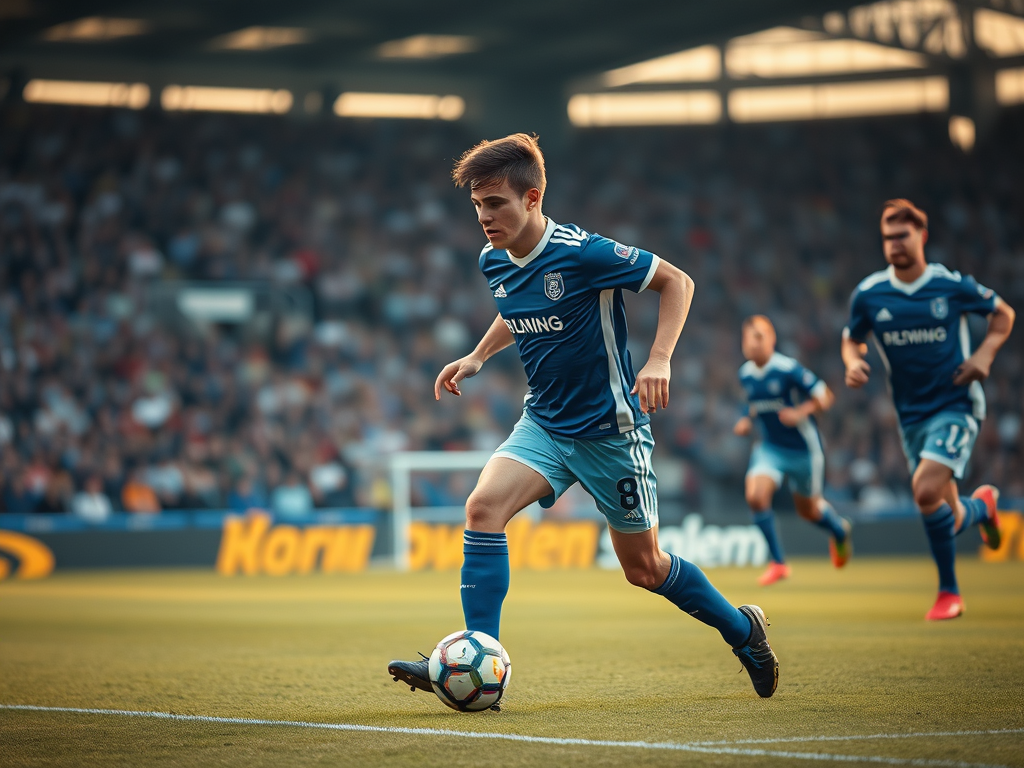
Among these emerging talents was the prolific striker, Mats Jingblad, whose scoring prowess became vital for Norrköping during the early 1980s. His partnership with fellow forward, Thomas Nordahl, created a formidable attacking duo that terrorized defenses throughout the league. The chemistry between the two players not only brought goals but also reinvigorated the club's identity as a fierce competitor.
The late 1980s saw Norrköping rise to prominence once more, culminating in their historic victory in the 1989 Svenska Cupen. This triumph not only marked the end of a decade-long trophy drought but also served as a statement of intent for the club. Norrköping's victory was celebrated widely, igniting passion and pride among supporters who had long yearned for the glory days of the club's past.
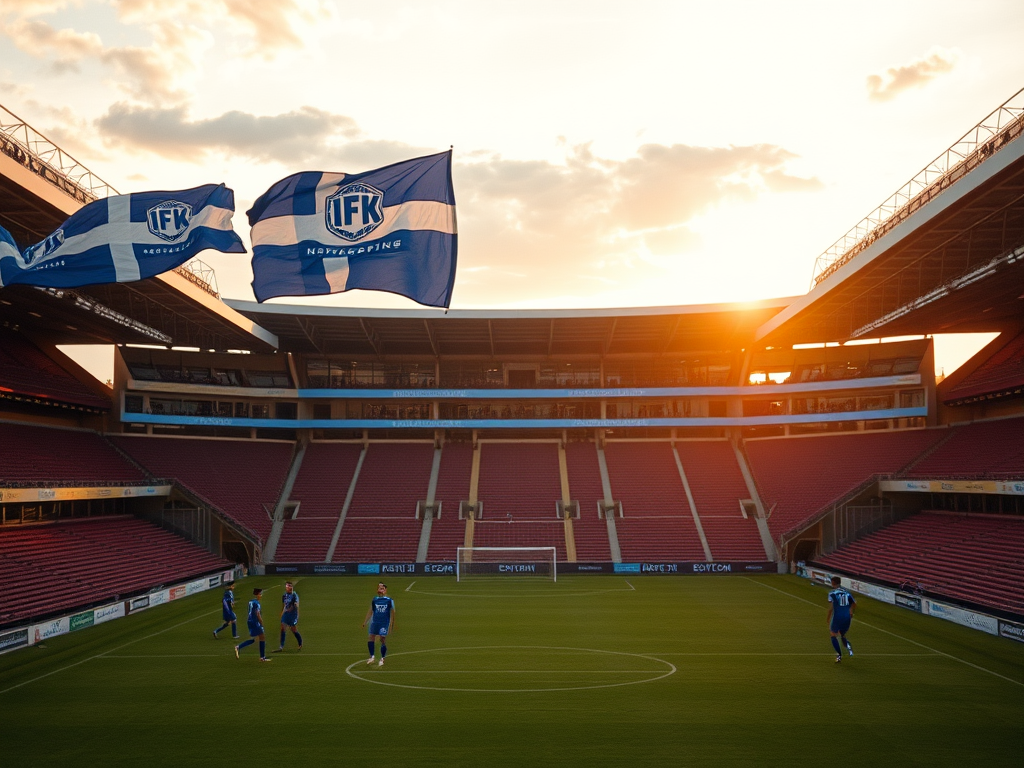
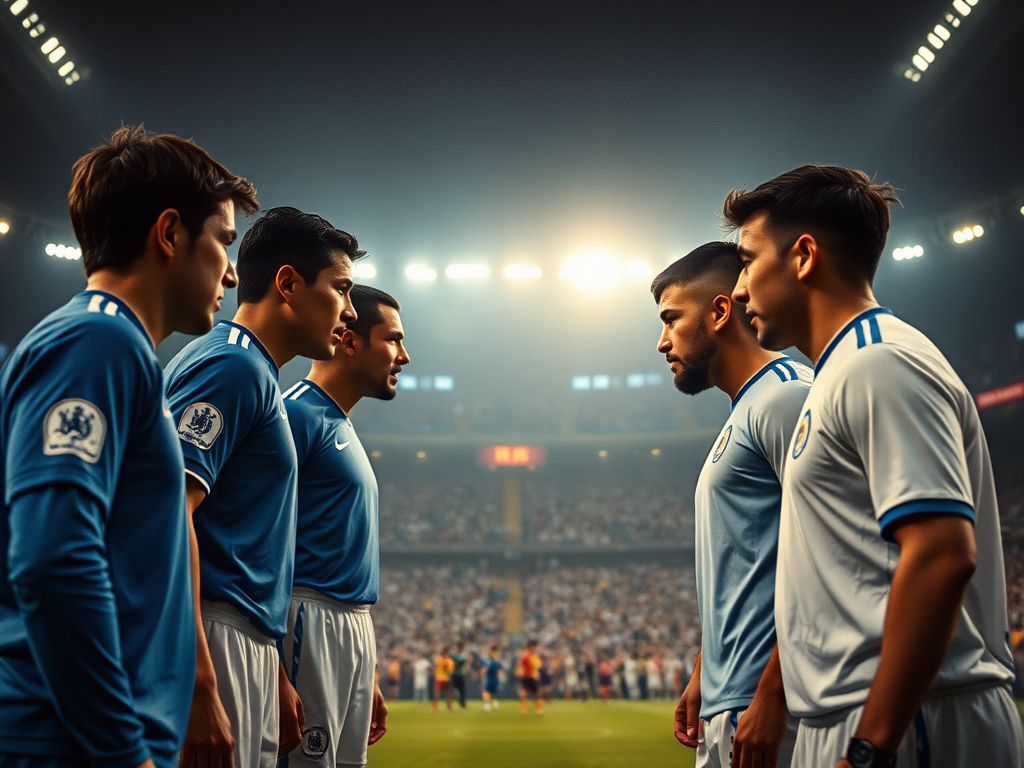
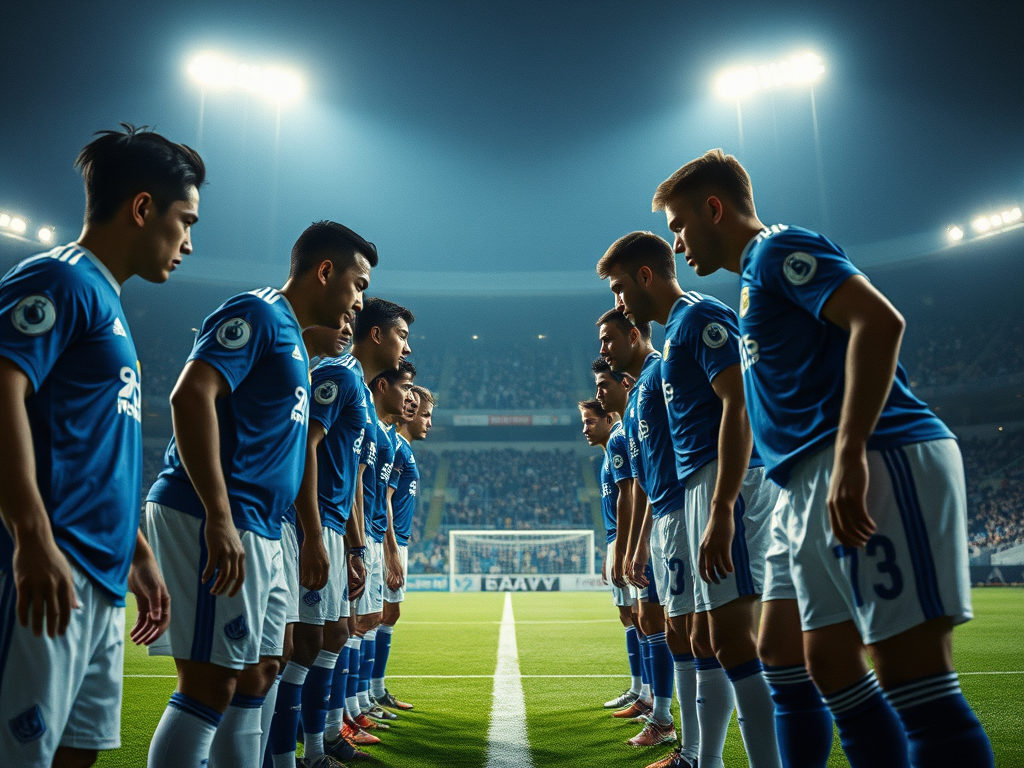
The thrilling matches against rivals Åtvidabergs FF during this period were particularly noteworthy. The fierce competition between the two clubs revitalized the derby atmosphere, drawing large crowds to the Stadium, where the electric atmosphere was palpable. Fans filled the stands, creating an unforgettable ambiance that echoed the club's legacy within Swedish football.
Norrköping's 1980s renaissance also had a profound impact off the pitch. The club began to invest in its youth academy, recognizing the importance of nurturing local talent. This commitment to developing homegrown players ultimately allowed the team to remain competitive in the Allsvenskan, while also fostering a deep connection with the community.
As the decade drew to a close, the foundations laid during this transformative period would serve Norrköping well in years to come. The club had not only regained its competitive edge but had also instilled a sense of pride and identity that would resonate with generations of fans. Today, as Norrköping continues to build on its storied past, the lessons learned from the 1980s remain a testament to the club’s resilience and ambition. The journey back to glory was not just about winning trophies; it was about rekindling the spirit of Peking and ensuring that the club would continue to thrive in the annals of Swedish football.