 Norrkoping Hub
Introduction
Norrköping, affectionately known as Peking, has found themselves in a precarious position in the league standings. Despite their rich history and passionate fanbase, recent performances have raised eyebrows and called for a deeper tactical assessment. By scrutinizing their recent form and suggesting key adjustments, we can explore how Peking might reignite their season.
Current Tactical Setup
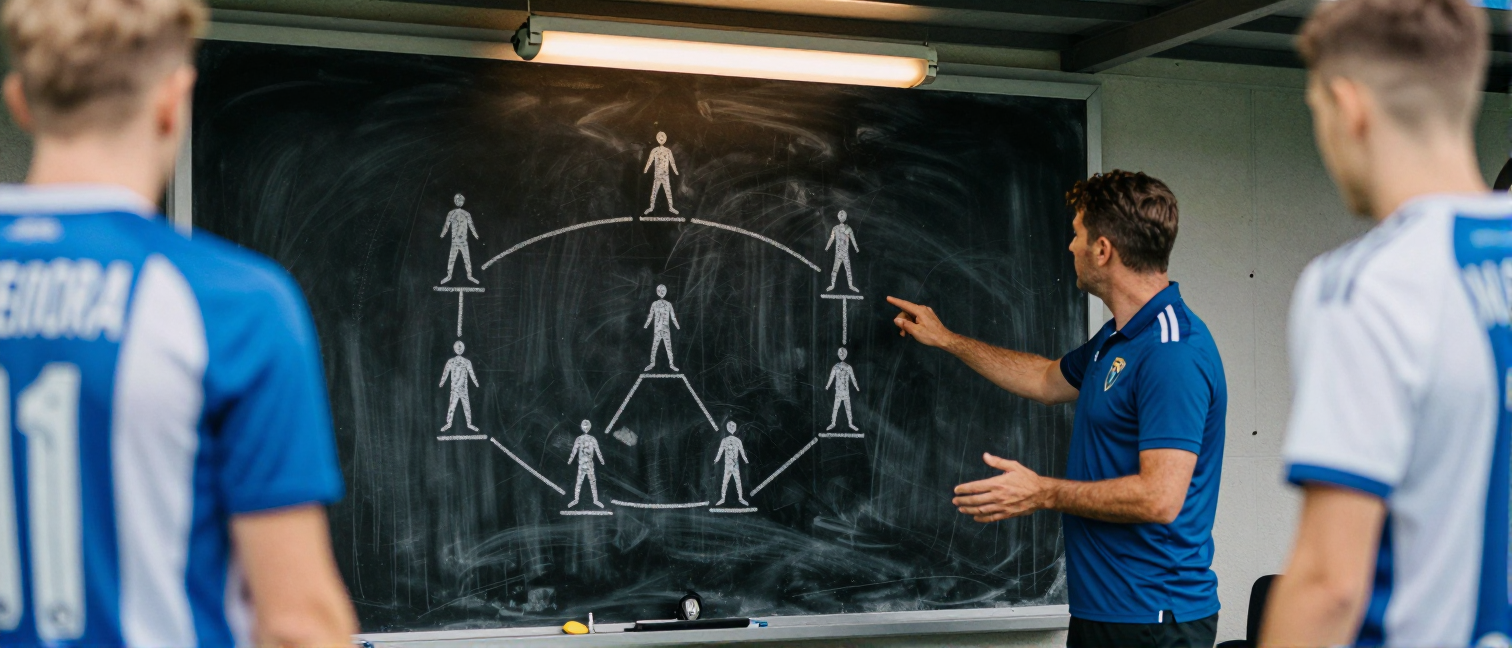
In their recent matches, Norrköping has predominantly utilized a 4-3-3 formation, which has served them well in the past. However, the current execution often lacks coherence, especially in the midfield transition and defensive solidity. The players appear to struggle with maintaining shape, leading to gaps that opponents have eagerly exploited.
Midfield Dynamics
One area that warrants immediate attention is the midfield trio. While R. Nelson has been a standout performer, the partnership alongside C. Nyman and another central midfielder has not gelled effectively. To enhance ball retention and control, a more flexible 4-2-3-1 formation could be advantageous. By deploying two defensive midfielders, Norrköping can create a more robust shield in front of the backline while allowing their attacking midfielders the freedom to roam and support the forwards.
Defensive Structure
The defensive unit has shown vulnerability, particularly during counter-attacks. Norrköping needs to reassess their pressing strategy; currently, they engage in a high press that often leaves them exposed. Implementing a more compact mid-block could help in regaining possession effectively while minimizing the risk of being caught out of position. This adjustment could be particularly beneficial during matches against teams that thrive on quick transitions.
Width and Wing Play
Another aspect requiring attention is the use of width in attacking phases. Wingers are crucial in stretching the opposition and creating space for overlapping full-backs. Encouraging the wingers to stay wide while full-backs push forward could diversify Norrköping's attacking options, making it harder for defenses to predict their movements. This tactical tweak could also lead to more opportunities for crosses into the box, catering to the strengths of their forwards.
Set-Piece Strategy
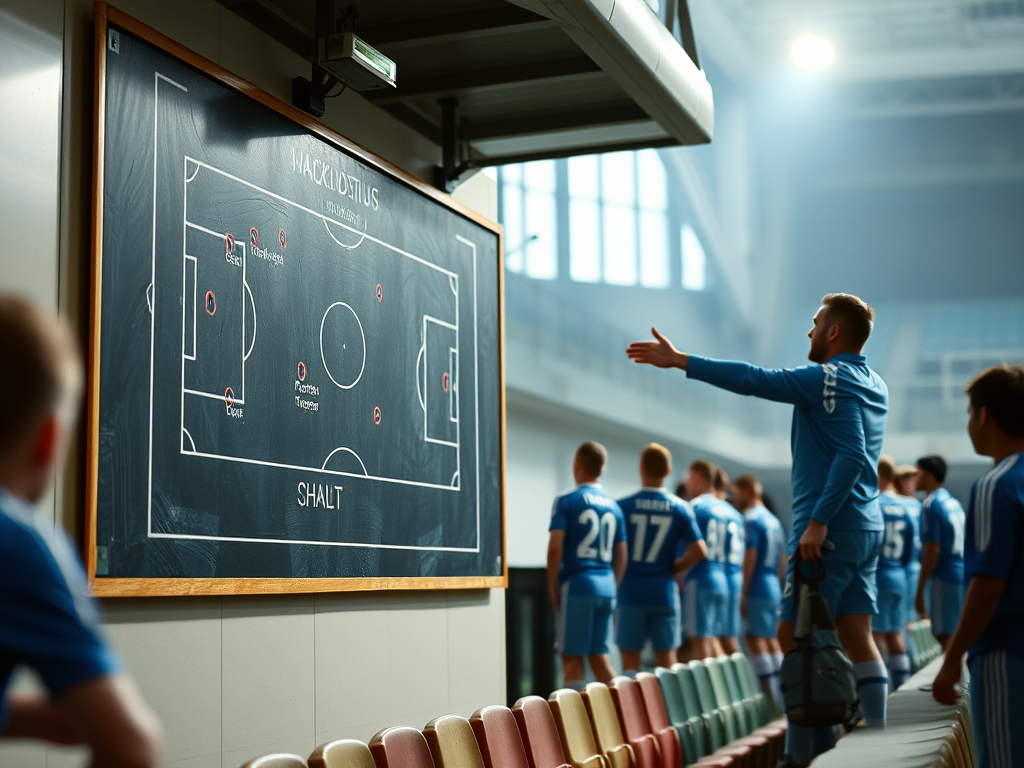
Moreover, set-pieces offer an opportunity for Norrköping to capitalize on their height and physicality. Currently, they lack a clear strategy for both attacking and defending set-pieces. Instituting targeted routines and assigning roles based on player strengths could yield dividends, especially in tight matches where goals from set-pieces can prove decisive.
Conclusion
In conclusion, while Norrköping has faced challenges recently, there is ample room for tactical refinement. By adopting a more adaptable formation, tightening their defensive structure, utilizing width effectively, and enhancing set-piece strategies, Peking can regain their competitive edge. The upcoming fixtures present a crucial opportunity for the coaching staff to implement these adjustments and revitalize the team's performance, rekindling hope for their passionate supporters.