 Norrkoping Hub
Tactical Tweaks for Norrköping: Maximizing Recent Form
As Norrköping continues its quest for league supremacy, recent matches have illuminated both strengths and weaknesses in their tactical setup. Although the team has displayed resilience and a commendable spirit, a closer examination of their tactical approach reveals opportunities for refinement that could further elevate their performance.
Current Tactical Landscape
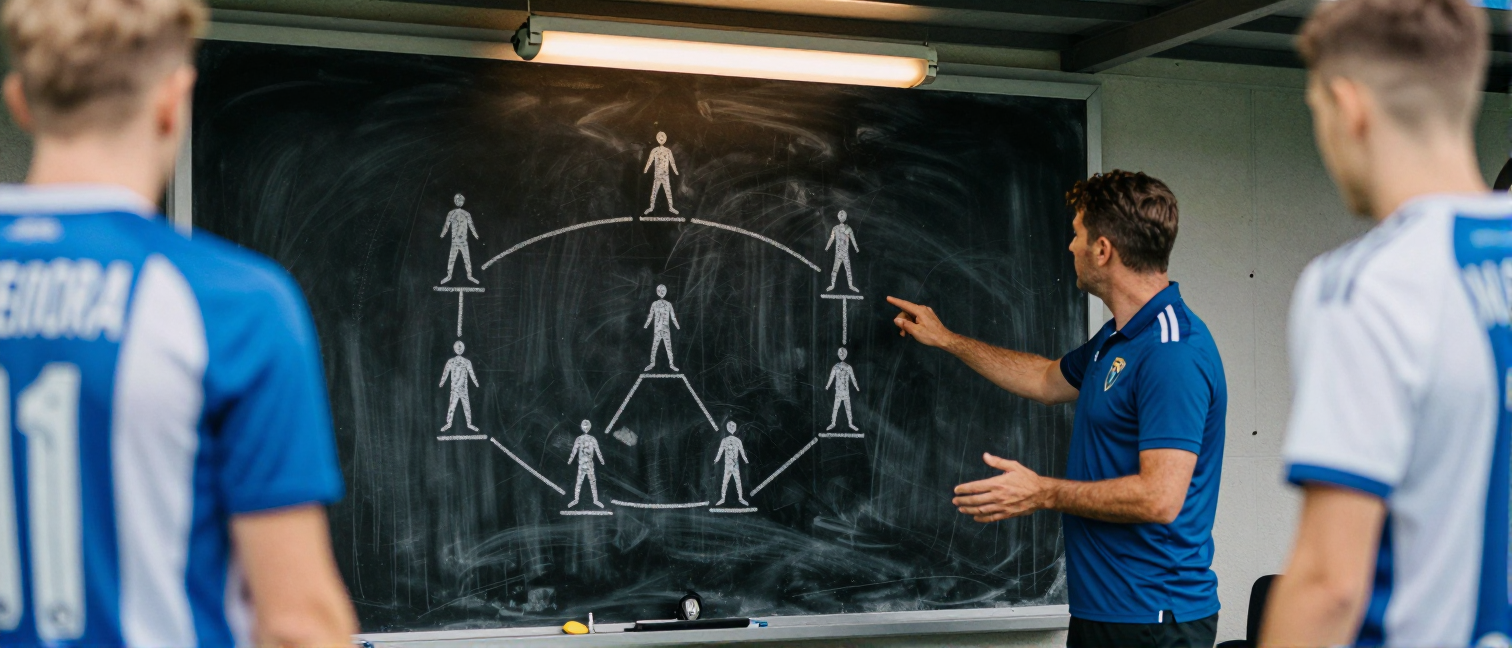
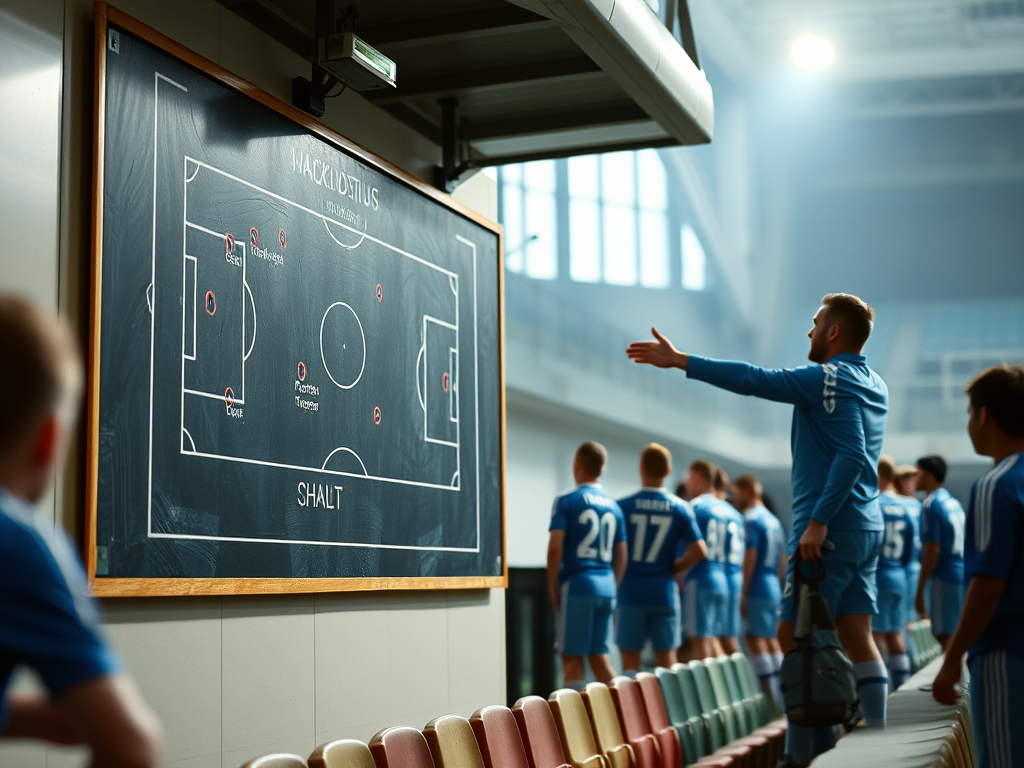
Norrköping has predominantly been employing a 4-2-3-1 formation, a setup that has allowed for both defensive stability and attacking flexibility. This formation has enabled the team to dominate possession and create opportunities through their midfielders. However, recent matches against more aggressive opponents have shown that sometimes the midfield has become overcrowded, leading to a lack of creative fluidity when transitioning from defense to attack.
Suggested Tweaks
1. Fluidity in Midfield: One of the primary adjustments should involve encouraging midfielders to rotate positions more frequently. This would allow for unexpected passing lanes and create confusion in the opposition’s defensive structure. By incorporating a more dynamic approach, Norrköping can exploit gaps left by defenders as they adjust to players shifting roles.
2. Wing Play Enhancement: The current wing players have been effective but could benefit from more defined roles, with clear instructions on when to cut inside or stay wide. Introducing more width in attack can stretch the opposition’s defense, allowing for better crossing opportunities or space for overlapping full-backs. This tactical shift would not only enhance the attacking options but also help in countering teams that play with compact defensive lines.
3. Pressing Strategy: While Norrköping has shown moments of effective pressing, a more coherent pressing strategy could yield dividends. Implementing a coordinated high press can disrupt opponents' build-up play, especially against teams that struggle with ball retention under pressure. This tactic requires synchronization among forwards and midfielders to ensure that pressure is applied effectively across the pitch.
4. Defensive Structure Adjustments: At times, the defensive line has appeared vulnerable, particularly during transitions. It could be beneficial for the team to adopt a slightly deeper defensive line, particularly against faster opponents. This adjustment would provide more cover and reduce the risk of being caught out on the counterattack, allowing Norrköping to maintain composure and control in their defensive third.
5. Utilizing Set Pieces: Lastly, Norrköping should capitalize more on set-piece situations. With a tall and physically strong squad, specifically training for corner kicks and free kicks could turn these moments into significant advantages. By developing set-piece routines that utilize their aerial strength, they can potentially convert more of these opportunities into goals.
Conclusion
In conclusion, while Norrköping has laid a solid foundation for success this season, the implementation of these tactical tweaks could significantly enhance their overall performance. By focusing on midfield fluidity, enhancing wing play, refining their pressing strategy, adjusting their defensive structure, and maximizing set pieces, Peking can not only improve their current form but also solidify their standing in the league race. The coming weeks will be crucial for assessing the impact of these adjustments as the team aims to climb higher in the standings.